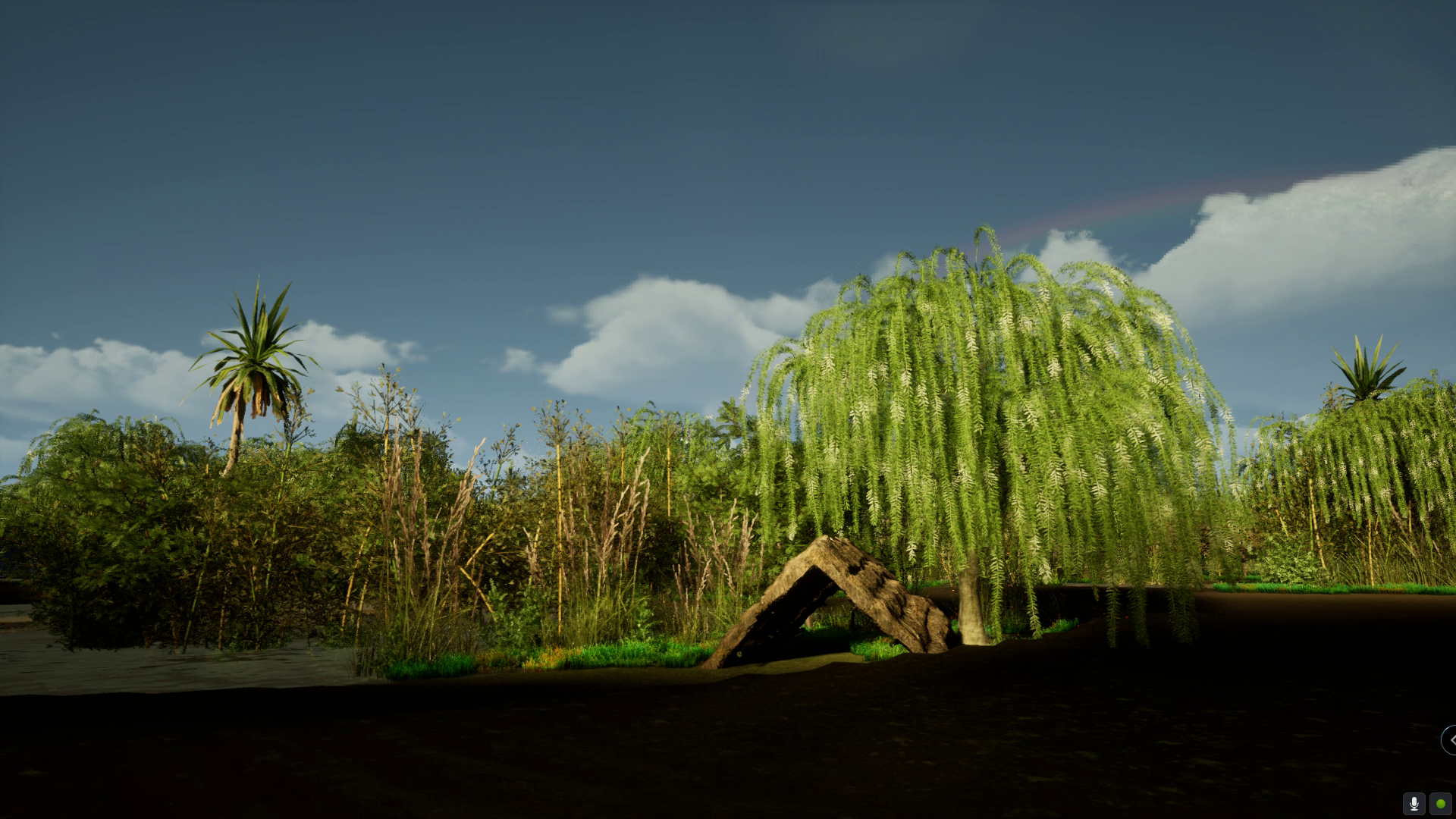
NQODOC
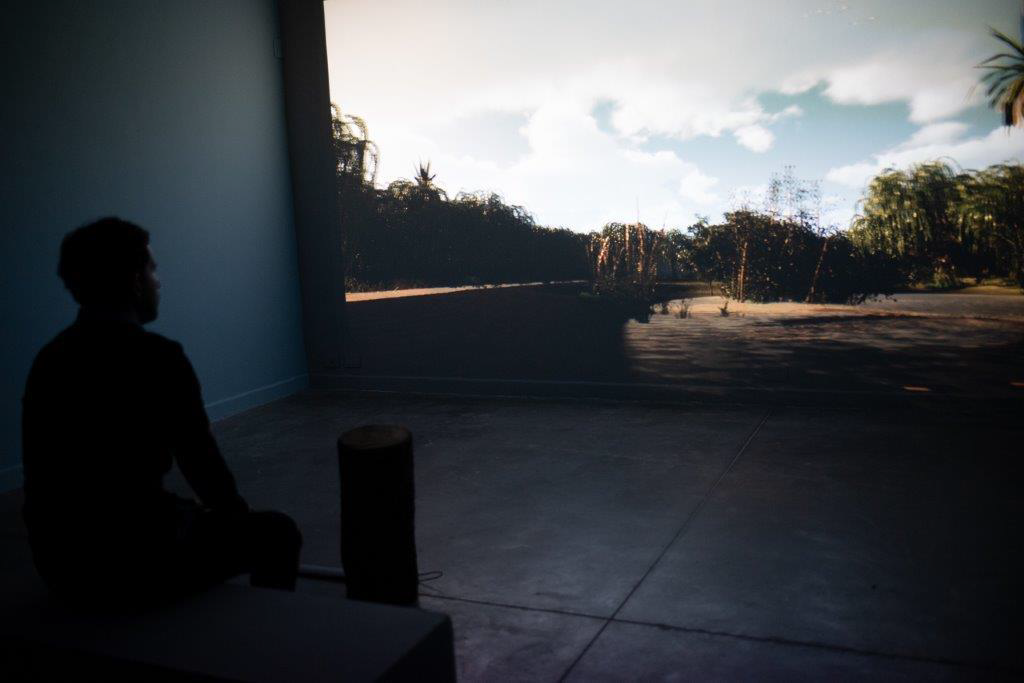
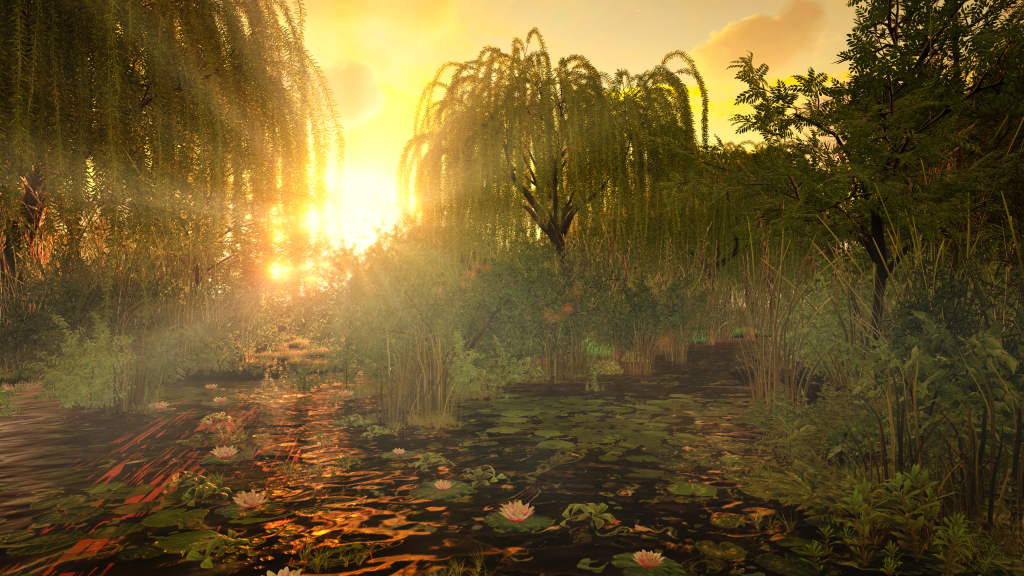
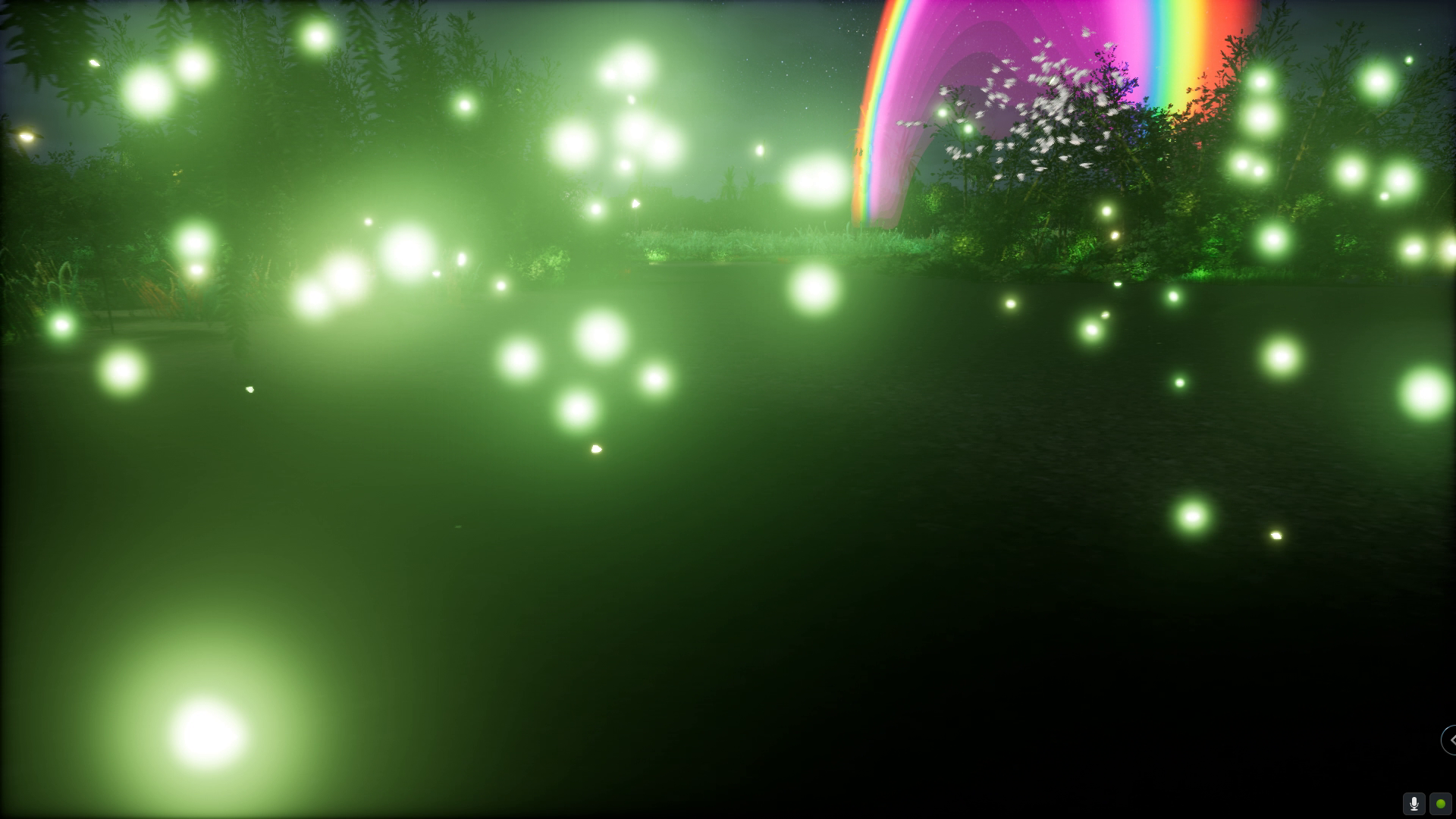
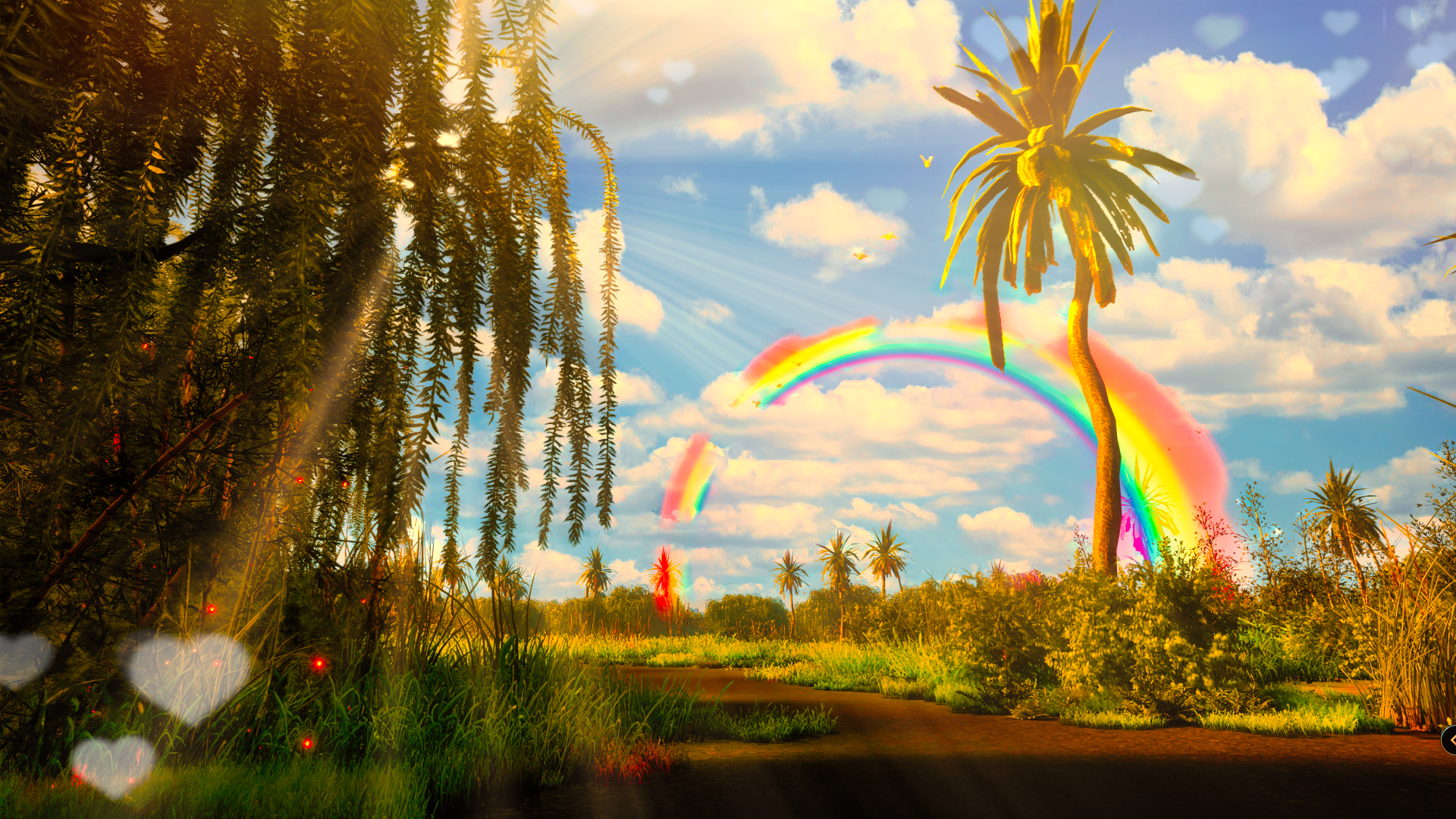
is a walking simulator in which you can walk through a fantastic recreation of the wetlands of the Argentine Litoral. The public, joystick in hand, explores these territories by day and night, discovering the fauna and flora of the region but also being surprised by magical situations.
The title of this work is derived from a Mocoví legend that reflects the relationship between the worldview of these peoples, their environment and the role of rivers in the landscape.
Fantasy is an original reflection of objective reality in human consciousness, the representation of real or unreal phenomena, based on imagination. From this we have given meaning to our environment and existence.
Territories are areas defined not only by their physical particularities, but also by their cultural and symbolic features.
The cosmovision of the native peoples of the Litoral is conceived from the environment in which they are inserted. The rivers, the floods, the downpours, the flora and fauna are conjugated in fantastic stories that articulate the sense of human existence with a poetic vision of the environment.
For me, art always had (and still has) something of ritual and inheritance. NQODOC is born from that concern: it is a word in the Moqoit language that means «the end of everything», but that actually hides the germ of a new beginning. My work does not seek to be a literal illustration of the legend, but an exercise of survival of those stories that, to stay alive, need to be told again and again.
I am very interested in the notion of mythogeme, that minimal unit of meaning. In the mocoví legend I rescued, the mythogeme of catastrophe and salvation is the heart of the structure, I use technology not as an end, but as a tool to give body to the oral narration, allowing the story to mutate and adapt to our present.
In this walking simulator, the landscape of the Litoral wetlands becomes a space of active memory. While you walk through NQODOC, you are not only inhabiting a digital environment; you are participating in that chain of transmission where stories do not freeze, but breathe. It is my way of keeping alive these stories that, in their exercise of resistance, change their skin but maintain their essence. In the end, it is us, through our gaze and our technique, who prevent that «end of everything» from being definitive.
 Spanish
  English
  Portuguese